
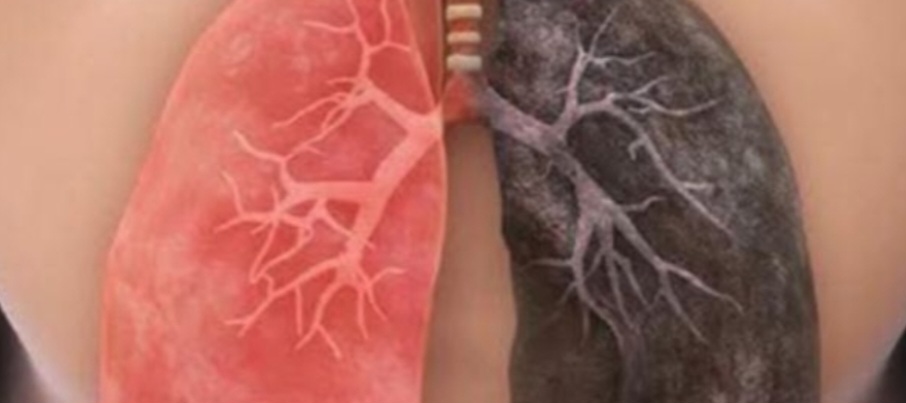
Mullein (Verbascum thapsus) is one of the most powerful and easily accessible wild plants for lung health. Found growing along roadsides, open fields, and disturbed areas, this tall, woolly plant has been used for centuries as a traditional remedy for cough, bronchitis, asthma, and lung congestion. Whether you suffer from chronic respiratory issues or just want natural support during seasonal illnesses, mullein is a plant worth knowing.xshare
Respiratory Conditions Mullein Can Help WithMullein’s soothing and expectorant properties make it a natural choice for many lung and throat issues. Here are some of the most common conditions it may help:Cough (dry or wet)BronchitisAsthmaLung congestionSinus infectionsSore throatSmoker’s coughEmphysemaPneumonia (as a supportive herb, not a cure)Post-COVID respiratory weaknessChronic Obstructive Pulmonary Disease (COPD) – for symptom reliefAllergy-related breathing problemsLaryngitis and voice strainInflammation of the lungsWheezing and chest tightnessIts action is two-fold: it helps to break up and expel mucus while also soothing inflamed tissues, making it ideal for both dry and productive coughs.
How to Identify Mullein in the Wildmullein rosette identification field pngEven beginners can spot mullein thanks to its unique appearance:First-Year Plant: A low-growing rosette of large, soft, fuzzy leaves. The leaves are grey-green and feel like felt.Second-Year Plant: A tall flowering stalk grows from the center—up to 2 meters tall.Flowers: Small, yellow, five-petaled flowers that bloom in clusters along the stalk.Leaves: Oblong, thick, and densely covered with woolly hairs—this is where the nickname “velvet plant” or “flannel leaf” comes from.Smell: Mild, earthy scent when crushed.Mullein prefers sunny, dry areas like roadsides, pastures, and abandoned fields.
When and How to HarvestLeaves: Best harvested during the plant’s first year (spring to early fall), when they are full and clean.Flowers: Collected carefully during the blooming season (mid to late summer).Drying: Lay the leaves flat in a single layer away from sunlight. Store in a dry, dark place in airtight containers. Flowers can be dried the same way.Important Tip: Always harvest from clean areas, far from roads, pesticides, or pollutants.
How to Use Mullein for Respiratory Health1. Mullein TeaUse 1 tablespoon of dried mullein leaves or flowers per cup of boiling water.Steep for 10–15 minutes.Strain very well to remove the fine hairs (which can irritate the throat).Drink up to 3 cups a day during illness.2. Steam InhalationAdd a handful of dried or fresh leaves to a pot of boiling water.Remove from heat, cover your head with a towel, and inhale the steam for 5–10 minutes.Helps clear nasal passages and loosen chest congestion.3. TinctureUse 1–2 dropperfuls in a glass of water up to three times a day.Stronger and longer-lasting than tea, but less soothing for the throat.4. Mullein Oil (for chest rubs or earaches)Infuse dried flowers in olive oil and let sit for 2–4 weeks.Strain and store in a dark bottle.Use externally to massage the chest or back during respiratory infections.
Extra TipsCombine mullein with thyme, licorice root, or elecampane for a stronger effect.Don’t mix mullein with dairy, as it may increase mucus production.Great for both adults and children, but always strain teas well for younger users.mullein flowering plant lung herb png
DisclaimerMullein is generally safe and non-toxic, but it should not replace medical treatment for serious conditions. Consult a healthcare professional if symptoms persist, especially in cases like pneumonia, asthma, or COPD. Pregnant and breastfeeding women should consult a doctor before use.Inspired by this? Share the article with your friends!