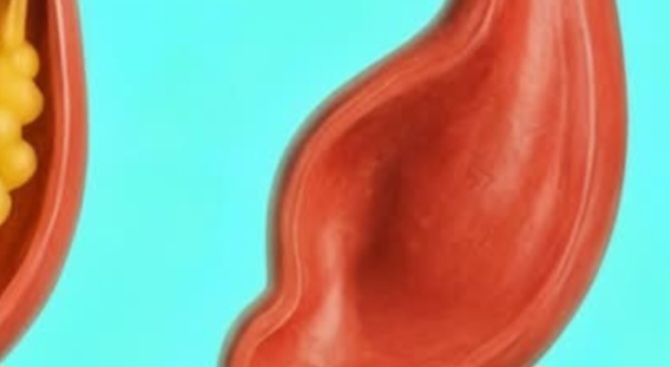
The Circulation Crisis: Why Arterial Health is Your Health FoundationThe Truth About Plaque BuildupIt’s easy to dismiss vague terms like “arterial plaque” until you realize what it actually means for your daily life. Over time, factors like diet and stress can contribute to the accumulation of certain substances inside the walls of your blood vessels. This buildup is like sediment in a water pipe: it restricts the flow, forcing your heart to work harder.This silent hardening and narrowing can steal your energy and eventually affect every major organ in your body. It’s not just about a medical diagnosis; it’s about the quality of your life—your stamina, your focus, and your longevity.But Here’s the Good News…The body possesses an incredible ability to adapt and heal, given the right support. Making changes isn’t about harsh deprivation; it’s about providing your system with the powerful, natural compounds it needs to thrive.The truth is, while many people rely solely on medications to manage the effects, a foundational approach using whole foods can create a powerful, supportive environment for your blood vessels. This is where we look past the conventional wisdom and uncover a simple, potent plant-based secret that can make a difference.Ingredient Spotlight: The Minty Marvel That Supports Vessel PliabilityWe’re often told to focus on exotic berries or rare oils, but sometimes the most powerful health allies are the most common. I’m talking about a simple herb, a vibrant green leaf, that you might already have in your kitchen: peppermint (or closely related mint varieties).Why Is Mint So Effective?The power of mint goes far beyond freshening your breath. The key compound is menthol, which gives mint its characteristic aroma and several health benefits.Vascular Support: Studies have shown that the compounds in mint can act as a natural vasodilator, meaning they may help relax and widen blood vessels. When your vessels are more relaxed, blood pressure naturally finds a more manageable level, and flow is optimized.Antioxidant Power: Mint is loaded with antioxidants that combat oxidative stress, which is a major contributor to the hardening of arterial walls. By neutralizing free radicals, you are supporting the long-term flexibility of your vessels.This isn’t about replacing your prescribed medications—it’s about using nature’s tools to bolster the foundation of your cardiovascular system.Actionable Food Strategies: Eating Your Way to Healthier ArteriesWhile mint is a star player, it works best as part of a comprehensive dietary strategy. Here are the core nutritional pillars to support clean and flexible blood vessels.Pillar 1: Embrace the Power of Nitric Oxide BoostersNitric oxide (NO) is a molecule that your body produces to help blood vessels stay relaxed and open. Think of it as the ultimate natural lubricant for your circulatory system.The Top NO-Boosting Foods:Beets and Beetroot Juice: These are perhaps the most famous NO boosters, thanks to their high nitrate content.Leafy Greens (Spinach, Arugula): They are packed with nitrates that convert into NO in the body.Garlic: While not high in nitrates, garlic helps activate the enzymes that produce NO.Adding a handful of arugula or spinach to your lunch is one of the easiest, high-impact changes you can make. But that’s not all…Pillar 2: The Essential Role of Omega-3sWe’ve all heard of Omega-3 fatty acids, but their role in arterial health cannot be overstated. They are a powerful anti-inflammatory force. Inflammation is the primary driver of arterial damage and plaque formation.How Omega-3s Help:Benefit DescriptionPlaque Stabilization May help make existing plaque less likely to rupture.Reduced Inflammation Lowers levels of inflammatory markers throughout the body.Improved Endothelial Function Supports the health of the thin layer lining blood vessels.Top Omega-3 Sources:Fatty Fish (Salmon, Mackerel)WalnutsFlaxseeds and Chia SeedsJust two servings of fatty fish per week can provide a substantial benefit. Skeptical? Here’s the fascinating part…Pillar 3: Fiber for FlowFiber is the body’s natural sponge. Soluble fiber, found in oats, beans, and apples, binds to cholesterol in your digestive system and prevents it from being absorbed into the bloodstream, where it could contribute to plaque.The Simple Fiber Rule: Aim for a handful of diverse fiber sources at every meal. This keeps your digestion—and your circulation—running smoothly.Lifestyle Adjustments: More Than Just FoodNutrition is only one part of the equation. To truly optimize your arterial health, you need to look at what’s driving stress and tension in your life. Remember, healthy arteries are flexible arteries.The Critical Role of Movement (No Gym Required! 🚶♀️)You don’t need to run a marathon. Consistent, moderate movement is the key. When you move, your heart rate increases, and blood surges through your vessels. This surge is a powerful, natural massage for the endothelial lining, stimulating the release of more Nitric Oxide.Actionable Movement Tips:Take a brisk 10-minute walk after your heaviest meal.Do 15 minutes of dynamic stretching or yoga first thing in the morning.Choose the stairs over the elevator whenever possible.Taming the Stress Beast 🧘Chronic stress causes your body to flood with cortisol and adrenaline, which constrict blood vessels and increase blood pressure. Managing this tension is non-negotiable for vascular health.Simple Stress Reset Techniques:Box Breathing: Inhale for 4 seconds, hold for 4, exhale for 4, and hold for 4. Repeat 5 times.Gratitude Journaling: Writing down three things you are genuinely grateful for shifts your brain out of fight-or-flight mode.The 10-Day Arterial Support Plan: Your Quick Start GuideReady to put this knowledge into action? Here is a simple, 10-day guide to maximize your arterial support:Morning Power Drink (Day 1-10): Start your day with a glass of water containing a small handful of fresh mint leaves, or a beetroot/spinach smoothie.Fiber First (Daily): Eat a bowl of oatmeal or a piece of whole-grain toast topped with ground flaxseed.Oil Swap (Daily): Replace processed oils with high-quality extra virgin olive oil for cooking.The Garlic Rule (Daily): Include at least one clove of raw or lightly cooked garlic in a meal.Move & Mellow (Daily): Commit to 30 minutes of walking and 5 minutes of focused breathwork.But wait, there’s one more critical, often-overlooked factor that determines how well your body can utilize these foods. If you miss this step, even the healthiest diet can fall short. This secret has to do with when you eat, not just what you eat…The Timed Eating Advantage: Optimizing Your Body’s Natural RhythmsYour digestive system and your cardiovascular system are intimately linked. Studies suggest that giving your body regular, extended breaks from eating can significantly reduce metabolic stress, which directly benefits your arterial health.This isn’t a complex diet; it’s simply adjusting the timing of your meals to support your body’s natural cleansing and repair processes. By shortening your daily “eating window,” you allow your body to focus on repair, including the health of your blood vessel linings.Conclusion: Taking Control of Your Circulatory HealthYou now have the tools to be an active participant in your heart health journey. By focusing on simple, powerful foods like mint, boosting your Nitric Oxide intake, prioritizing Omega-3s, and paying attention to your body’s natural rhythms, you are giving your arteries the best possible chance to remain clean, flexible, and strong. Remember, these small, consistent steps are infinitely more powerful than occasional, drastic changes. Your circulatory health is your freedom, and the control is in your hands.Frequently Asked Questions (FAQ)Q1: Can I stop taking my blood pressure medication if I follow this advice?A: Absolutely not. Dietary and lifestyle changes are supportive tools, but they are not a replacement for prescribed medical treatment. You should never stop or change any medication without direct consultation and supervision from your primary healthcare provider. Use these natural strategies to support your treatment plan, not to replace it.Q2: How long does it take to see a difference in my blood pressure or energy levels from these changes?A: While everyone is different, many people report feeling more energetic within the first few weeks due to improved digestion and better blood sugar control. Significant changes in markers like blood pressure and cholesterol can take several weeks to a few months of consistent effort. Consistency, not intensity, is the key.Q3: Is there a specific type of mint that is best for heart support?A: Both peppermint and spearmint contain beneficial compounds. Peppermint, with its higher concentration of menthol, is often more potent. You can use fresh leaves in water, make a strong tea, or use high-quality essential oil (safely diluted and applied topically, never ingested unless specifically certified safe by a medical professional).Disclaimer: This article is for informational purposes only and is not intended to be a substitute for professional medical advice, diagnosis, or treatment. Always seek the advice of a qualified healthcare provider with any questions you may have regarding a medical condition or before making any changes to your diet, medication, or lifestyle.Would you like me to find some simple recipes featuring the foods mentioned, like a mint and beetroot smoothie?
The Silent Thief: Natural Ways to Support Your Arteries Without the Pharmacy